When in Tokyo, we tend to do the usual tourist stuff: Disneyland, Shinjuku, Shibuya ... temples, etc...
Here are a few of my favourite things to do whenever in Tokyo:

1) Sumo Tour: Tokyo Tournament & Chanko Dinner Plan (12,700 yen)
Its an amazing, short, 4 hour tour by JapaniCan. If you love Sumo you would be extra happy, even if you do not, its an amazing way to get in touch and experience it firsthand.

Sumo tournaments go around the major cities, they rotate and I think there are 6 tournaments, with Tokyo hosting it twice a year. Each time, its about two weeks long, and you just pick a day, hopefully it coincides with your trip.
http://www.japanican.com/en/tour/detail/F560_/?aff=SEM

STEP 1Choose a Date
Choose a tour departure date from the calendar to continue to the next step.
 Jan 2016
| Sun | Mon | Tue | Wed | Thu | Fri | Sat |
|---|---|---|---|---|---|---|
27 | 28 | 29 | 30 | 31 | 1 × | 2 × |
3 × | 4 × | 5 × | 6 × | 7 × | 8 × | 9 × |
10 ○ | 11 △ | 12 ○ | 13 ○ | 14 ○ | 15 ○ | 16 ○ |
17 ○ | 18 ○ | 19 ○ | 20 ○ | 21 ○ | 22 ○ | 23 ○ |
24 ○ | 25 × | 26 × | 27 × | 28 × | 29 × | 30 × |
31 × | 1 | 2 | 3 | 4 | 5 | 6 |
- ○…Seats available
- △…Few seats available
- ×…Not available
 The tour starts with a gallery tour inside the stadium dedicated to the history and past champs, an eye opener. Then you can go to the mess hall where they serve the exact lunch that Sumo wrestlers have (albeit smaller portion) all day. You then watch the rituals and the fights for about 3 hours, its fun. Then you may join the after competition Chanko dinner (again what the Sumo wrestlers have usually) or opt out.
2) Tokyo Blue Note Jazz
Think of the Frank Sinatra / Dean Martin nightclub days in intimate jazz clubs ... thats Tokyo Blue Note, its classy, very well designed, intimate and romantic. Whenever you are in Tokyo, check out their schedule of events, maybe you can find some artists you'd like to watch. Or just go and be adventurous. It has a set dinner that is pretty good before the music starts. I have managed to catch Pablo Cruise, Roberta Flack and Christopher Cross performing here before.



| 1 tue. | 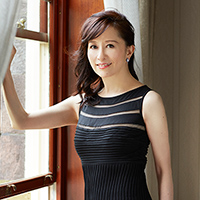 YOSHIKO KISHINO 20th anniversary tour -Anthology- YOSHIKO KISHINO 20th anniversary tour -Anthology- |
Music charge ¥6,000
| 2 wed. | 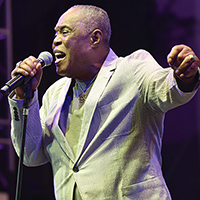 SAM MOORE -80th Anniversary Celebration-with special guest TORTOISE MATSUMOTO (12.2 wed.), THE GOSPELLERS (12.3 thu.) SAM MOORE -80th Anniversary Celebration-with special guest TORTOISE MATSUMOTO (12.2 wed.), THE GOSPELLERS (12.3 thu.) |
| 3 thu. |
Music charge ¥13,500
| 4 fri. | 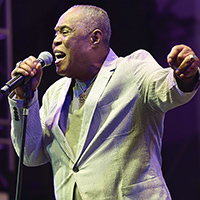 <追加公演> SAM MOORE -80th Anniversary Celebration- with special guest ROY(THE BAWDIES) (12.4 fri.) <追加公演> SAM MOORE -80th Anniversary Celebration- with special guest ROY(THE BAWDIES) (12.4 fri.) |
Music charge ¥13,500
| 5 sat. | 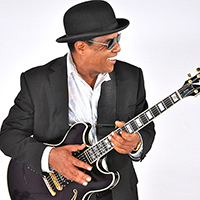 TITO JACKSON from JACKSON 5 TITO JACKSON from JACKSON 5 |
| 6 sun. |
Music charge ¥9,500
| 7 mon. | 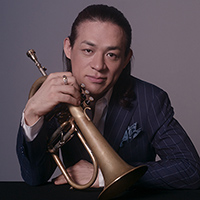 TOKU “Dear Mr. Sinatra” Special Stage TOKU “Dear Mr. Sinatra” Special Stage |
Music charge ¥7,000
| 8 tue. | 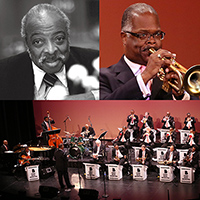 THE LEGENDARY COUNT BASIE ORCHESTRA directed by SCOTTY BARNHART - A Very Swingin’ Basie Christmas - THE LEGENDARY COUNT BASIE ORCHESTRA directed by SCOTTY BARNHART - A Very Swingin’ Basie Christmas - |
| 9 wed. | |
| 10 thu. | |
| 11 fri.[OFF] | |
| 12 sat. |
Music charge ¥8,900
| 13 sun. | 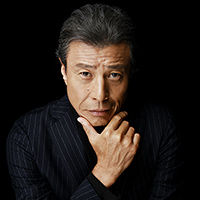 HIROSHI TACHI “JUST ONE NIGHT” HIROSHI TACHI “JUST ONE NIGHT” |
Music charge ¥13,000
| 14 mon. | 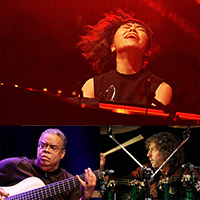 HIROMI THE TRIO PROJECT featuring Anthony Jackson & Simon Phillips HIROMI THE TRIO PROJECT featuring Anthony Jackson & Simon Phillips |
| 15 tue. | |
| 16 wed. | |
| 17 thu. | |
| 18 fri. | |
| 19 sat. | |
| 20 sun. |
Music charge ¥8,900
| 21 mon. | 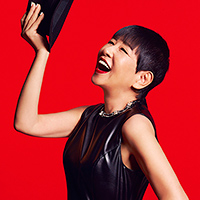 AKIKO WADA -WADASOUL- AKIKO WADA -WADASOUL- |
| 22 tue. |
Music charge ¥13,000
| 23 wed. | 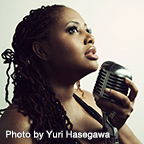 Christmas Evening with LALAH HATHAWAY Christmas Evening with LALAH HATHAWAY |
| 24 thu. | |
| 25 fri. |
Music charge ¥8,800
| 26 sat. | 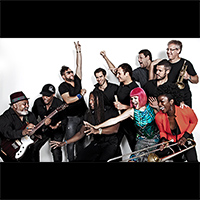 INCOGNITO INCOGNITO |
| 27 sun. |
Music charge ¥9,500
| 28 mon. | 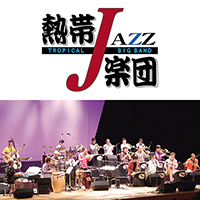 熱帯JAZZ楽団 THE 忘年会LIVE 2015 熱帯JAZZ楽団 THE 忘年会LIVE 2015 |
Music charge ¥7,800
| 29 tue. | 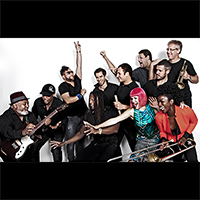 INCOGNITO INCOGNITO |
| 30 wed. | |
| 31 thu. |
Music charge ¥9,500
3) Cafe Anniversaire, Omotesando
Possibly my favourite cafe in Tokyo. Its perched right in the middle of the slope in Omotesando (the new Ginza). That slope alone has the prettiest luxury shops on it. Its a wonderful stroll and its nice to window shop or you could spend literally thousands in 20 minutes. That road alone has a lot of classy diversity and energy about it. Lovely trees and foilage paints the sidewalks.
 People walking their beautiful dogs (expensive to keep dogs in Tokyo), its Parisian chic meets gentle classy Tokyo high class.


But its not all snobbery. Right in the middle is Cafe Anniversarie, and itsactually borders the small lane that leads to a quaint romantic church.
"The café is part of a wedding factory, including a faux chapel situated beyond an arched passageway. On certain days, once every hour, newlywed couples pop out of the chapel and promenade through the archway heralded by the café trumpeter and his female accompaniest on the electric organ. Customers at the outside tables are given handbells to ring congratulations to the passing couple."
... and you can witness 2 to 3 weddings parties coming out of the church on weekends within an hour or two. Its kinda fun but Japanese being Japanese, they actually can schedule 3 or 4 weddings within a few hours. So, while drinking coffee, you are greeted by boisterous happy people wishing the couple well, along the lane.
"The café is part of a wedding factory, including a faux chapel situated beyond an arched passageway. On certain days, once every hour, newlywed couples pop out of the chapel and promenade through the archway heralded by the café trumpeter and his female accompaniest on the electric organ. Customers at the outside tables are given handbells to ring congratulations to the passing couple."
... and you can witness 2 to 3 weddings parties coming out of the church on weekends within an hour or two. Its kinda fun but Japanese being Japanese, they actually can schedule 3 or 4 weddings within a few hours. So, while drinking coffee, you are greeted by boisterous happy people wishing the couple well, along the lane.
 The food and coffee are very good at the cafe, too many dishes to mention. During winter, sit outside as they have nice heaters surrounding the tables, watch the world go by.


